Who Are We Becoming?
Values, Character, and the Search for National Renewal
America remains powerful, innovative, and capable of extraordinary achievement. Yet beneath that strength, something deeper feels unsettled. Across political lines, many citizens sense division replacing unity, noise replacing wisdom, cynicism replacing trust, and power replacing service. People may struggle to define exactly what feels wrong, but they feel it personally.
The nation is being judged every day—not only by economists, experts, or international rankings, but by parents, grandparents, veterans, workers, teachers, and young adults wondering what kind of future lies ahead. People quietly ask themselves: Are we becoming something admirable? Are we governing wisely? Are we passing on something stronger—or weaker—to the next generation?
Our understanding of “the good” usually did not come from politics. It came from parents, grandparents, faith traditions, teachers, hardship, and the example of honorable people. Most Americans can immediately think of someone whose character shaped them. Think of that person. Would they say America is doing well enough? Would they believe we are treating each other honorably, governing responsibly, and building something worthy for our children and grandchildren?
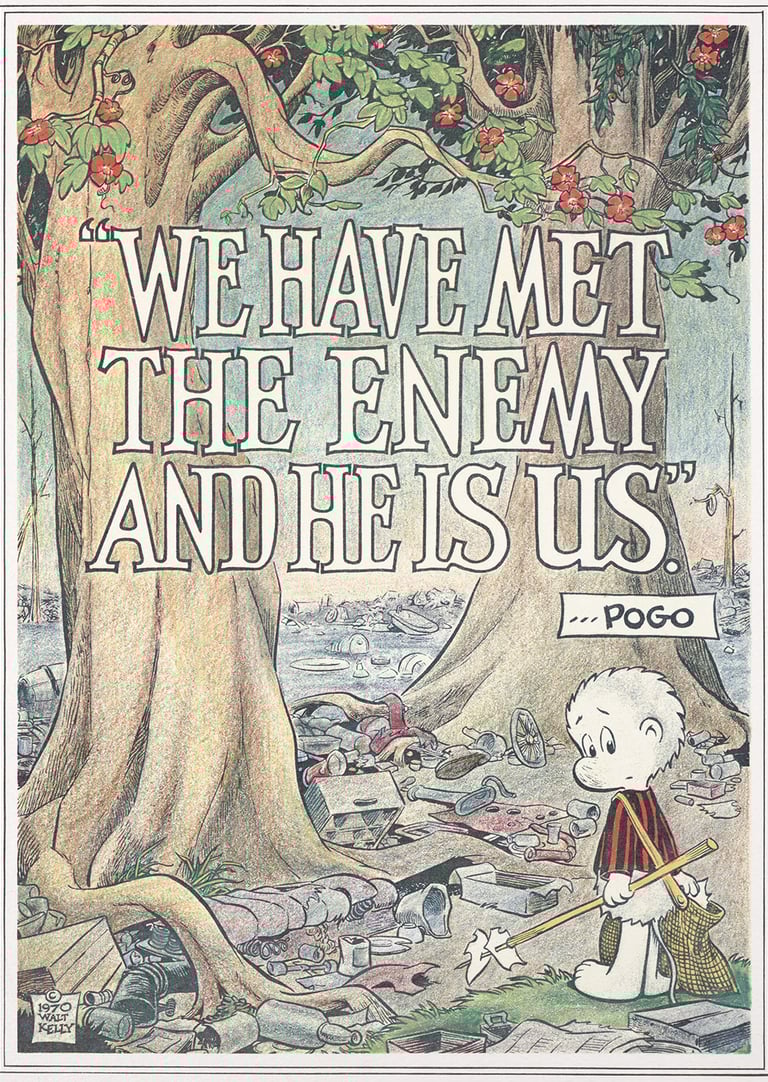
When the question becomes personal, the need for change becomes clearer. This is about more than regulations, elections, or political combat. Beneath every policy debate lies a deeper truth: a nation ultimately reflects the values and character of its people. If citizens lose responsibility, integrity, self-restraint, and shared purpose, no system of laws can fully compensate. Likewise, when leaders pursue power without service, attention without wisdom, or victory without principle, public trust erodes regardless of policy outcomes.
Government is not merely administration. It signals what a society values, what behavior it rewards, and what standards it tolerates. When governance drifts, institutions weaken, confidence declines, and shared identity fragments.
Gold Standard Governance is not only about better management or stronger accountability systems. At its core, it is about reconnecting governance to responsibility, competence, stewardship, service, and measurable contribution to the common good.
Many Americans are not seeking perfection. They are seeking stability, fairness, honesty, competence, meaning, and a renewed sense that the nation still knows who it is.
The deeper challenge before America is not simply whether we can grow economically or compete globally. It is whether we can become a people worthy of what we hope the nation will be.
The renewal of government begins with the renewal of civic purpose.
And civic purpose begins with what we believe is worthy, honorable, and good.
Every noble work is at first impossible. Thomas Carlyle
"Never doubt that a small group of thoughtful, committed, citizens can change the world; indeed, it is the only thing that ever has." — Margaret Mead
"Do your little bit of good where you are; it is those little bits of good put together that overwhelm the world." — Desmond Tutu
"Change the way you look at things and the things you look at change." — Wayne W. Dyer
Steps Toward Gold Standard Governance
How Citizens Can Make Values Operational and Begin Improving Governance Now
One of the weaknesses in modern public life is that values are often spoken about emotionally, but rarely translated into disciplined civic behavior. Gold Standard Governance begins with a simple idea — Values matter most when they become operational. That means moving from:
Concern → action
Opinion → participation
Frustration → measurable contribution
Improving governance does not begin only in Washington. It begins wherever citizens decide to become more intentional about the standards they expect from themselves, their communities, and their institutions.
1. Define What “Good Governance” Means Locally
Most communities already know their major frustrations:
Slow services
Unsafe streets
Poor schools
Lack of transparency
Endless political conflict with little progress
A first step is to gather citizens and ask: “What are the top five things this community most needs government to improve?” This immediately shifts discussion from ideology to outcomes.
2. Move from Complaints to Measurable Priorities
Values become operational when goals become measurable, so create visible targets. Instead of:
“Government should do better”
Move to:
“Reduce permit approval times by 50%”
“Publish city spending quarterly”
“Improve reading proficiency”
“Reduce emergency response times”
3. Create Citizen Scorecards
Local groups can publish simple public scorecards tracking:
Progress
Delays
Budget use
Outcome measures
Even modest transparency changes behavior. Public visibility creates accountability without hostility.
4. Reward Competence, Not Just Personality
Citizens often vote based on:
Anger
Party loyalty
Media performance
Familiarity
Gold Standard Governance encourages a different question: “Who has demonstrated the discipline, competence, and integrity to govern well?”
Communities can:
Hold candidate forums focused on measurable outcomes
Publish nonpartisan evaluation guides
Ask candidates to commit to public reporting standards
5. Build Small Civic Coalitions
Change rarely starts nationally. A neighborhood group, civic association, veterans group, faith community, or local business coalition can begin applying GSG principles immediately.
Small groups can:
Define shared priorities
Meet with local officials
Track progress publicly
Encourage practical reforms
Local credibility often matters more than national attention.
6. Reduce the Reward for Division
Citizens influence political culture every day. Refusing to reward:
Constant outrage
Personal attacks
Performative conflict
Dishonesty
…changes incentives over time.
A healthier civic culture begins when citizens expect seriousness, honesty, and service from leaders.
7. Teach Civic Responsibility at Home
Governance ultimately reflects culture. Parents and grandparents contribute to national renewal when they teach:
Responsibility
Respect
Service
Truthfulness
Self-restraint
Concern for the common good
A society cannot sustain good government if it abandons the character foundations that support it.
8. Start Where You Are
Many citizens feel powerless because national problems appear overwhelming. But governance improves incrementally:
One city
One county
One state
One institution at a time
A local pilot, a public scorecard, a citizen agenda process, or a small reform coalition may seem modest. Yet nearly all durable change begins that way.
9. Think Like Stewards, Not Spectators
Gold Standard Governance asks citizens to see themselves not merely as observers of government, but as stewards of the civic system itself. That means asking:
What standards should we expect?
What behavior should we reward?
What kind of country are we helping build?
Values become real when they shape behavior, expectations, and systems. Nations improve when citizens decide that integrity, competence, responsibility, and service are not optional ideals—but operational standards.
info@goldstandardgovernance.org