
How Reform Happens
If nothing changes, nothing changes
The Central Challenge
Reforming government is not primarily a question of ideas. The United States does not lack:
policy proposals
expert analysis
reform recommendations
What it lacks is a reliable method for converting recognition of problems into sustained institutional change.
A Working Premise
In complex institutions, reform occurs when four conditions align:
Dissatisfaction becomes undeniable
A clear framework for change exists
Leadership emerges to carry it forward
Mechanisms enforce accountability over time
If any one of these is missing, reform stalls.
The Role of Dissatisfaction (“Big D”)
Periods of high dissatisfaction are not anomalies — they are necessary catalysts.
Without sustained dissatisfaction:
existing incentives remain intact
underperformance is tolerated
reform lacks urgency
However, dissatisfaction alone does not produce improvement.
It often dissipates into
partisan conflict
episodic outrage
short-lived reforms
The critical task is to convert dissatisfaction into structured change.
From Dissatisfaction to Reform
Effective reform follows a disciplined progression:
1. Clarify the Problem.
Dysfunction must be defined in operational terms. Not:
“government is broken”
But:
“performance is not measured”
“standards are unenforced”
“violations lack consequence”
2. Make Performance Visible
What is not visible cannot be improved. Public institutions require:
clear metrics
regular reporting
accessible presentation
Visibility transforms general concern into specific accountability
3. Define Standards
Expectations must be explicit. Standards should address:
ethics
performance
transparency
professional conduct
Without clear standards, accountability is arbitrary.
4. Establish Independent Enforcement
Self-regulation is insufficient. Effective systems require:
independent review mechanisms
credible investigative capacity
authority to impose consequences
5. Align Incentives
Behavior follows incentives. If systems reward:
visibility over performance
partisanship over problem-solving
avoidance of accountability
then those behaviors will persist. Reform must shift incentives toward:
measurable outcomes
ethical conduct
institutional responsibility
6. Apply Consequences Consistently
Where consequences are inconsistent, standards lose meaning. Accountability must be:
predictable
proportionate
enforced without exception
7. Reinforce Through Culture
Over time, enforced standards become norms. Culture changes when:
expectations are clear
performance is visible
consequences are consistent
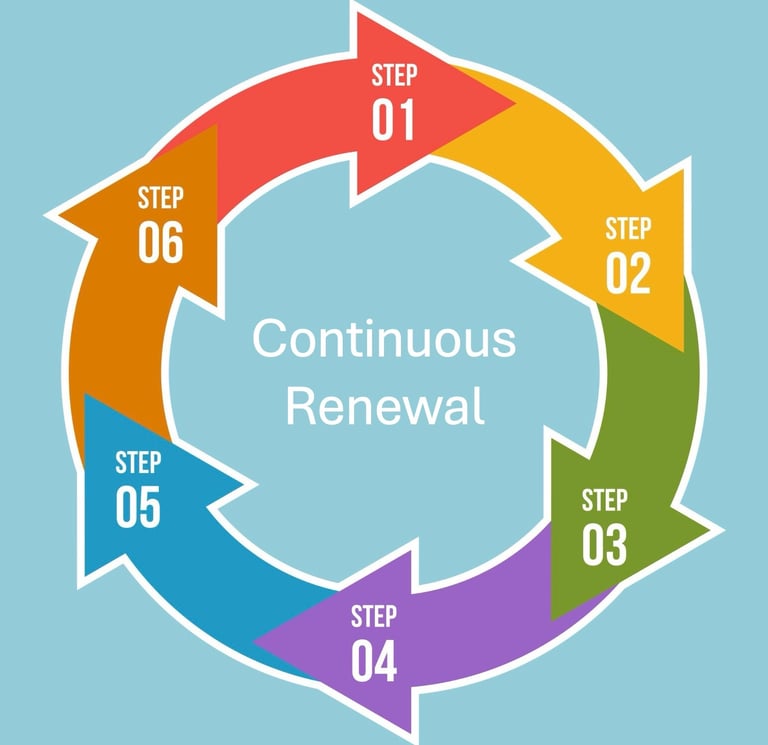


Dissatisfaction Opens the Door; Process Produces Reform.

How to Get Up and Running!
When leaders first approach using our materials it can seem a bit daunting. Remember, "By the yard it's hard, by the inch it's a cinch." There are some ways to start that don't take much time and can help you decide how to approach Gold Standard Governance:
Assemble a small project group of 3 or 4 leaders to explore what's here. Obviously there's some need for improvement or you wouldn't be reading this. A flip chart really helps discussion flow.
Pick a target arena, perhaps scoping out the content in the site or simply by having your group discuss broadly, then list and rank. Don't focus on how problematic the situation is, but do ask the key question: Is there enough change energy or commitment to really get into the weeds?
Get any useful metrics or survey information. Facts and data work better than opinions to reach the goal, and they're more persuasive — your first level of assurance that you're on a good path.
Decide whether to commit to some kind of reform effort. What you need to look at early on is not so much the specific model of change, but whether there is enough heart and desire to do a substantial amount of work over what can be a long period of time.
Organize top stakeholders. Who will take the lead? Address early the need for some preliminary goals and how you will measure their achievement.
Create a first draft workplan. Consider this a draft of what your change plan will look like. No doubt you will make edits and changes, but this is the battle plan.
Start to make assignments and set up task groups. Look for some doables that could be early wins to help maintain momentum.